Bowden, Rob (2007). Earth's Water Crisis. Pleasantville, NY: World Almanac Library.
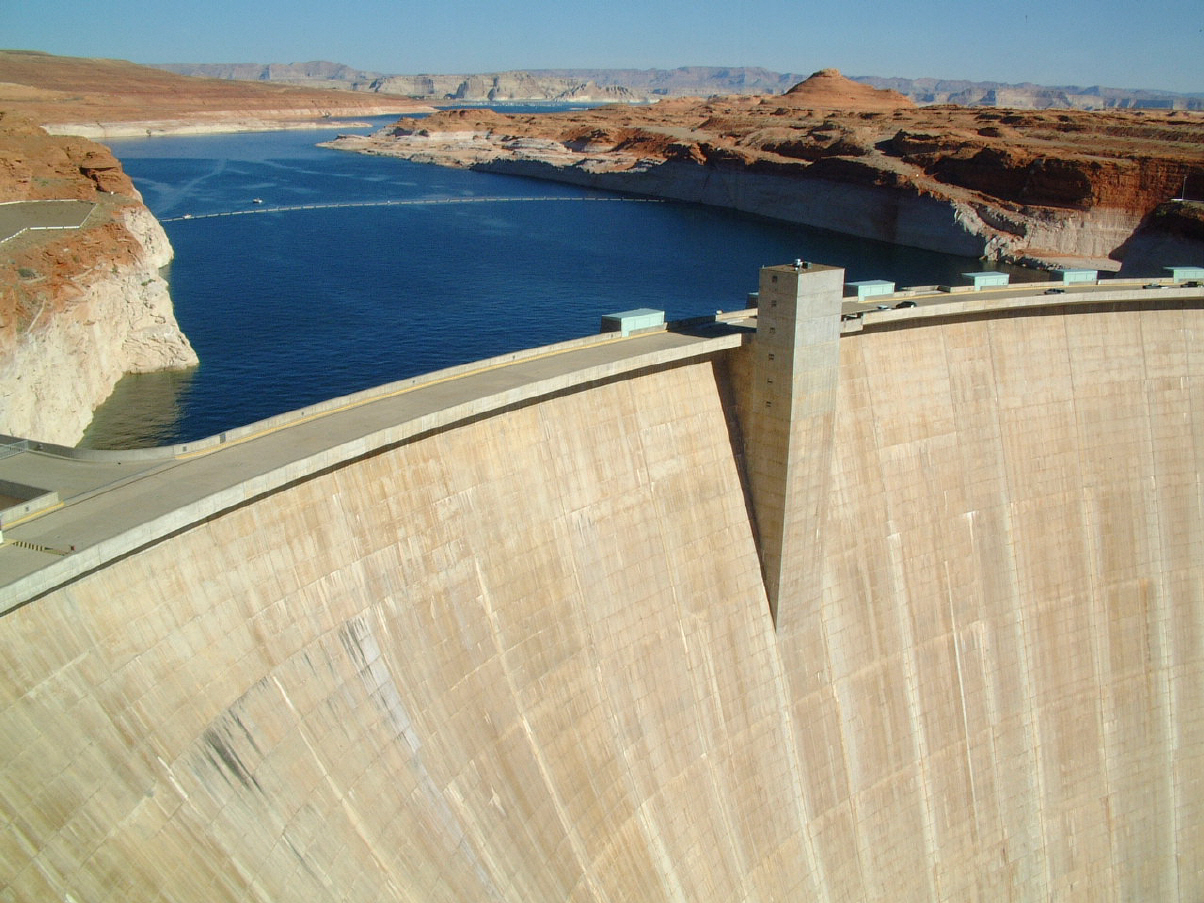
Dams are built to store water so we could use it. They make electricity, a process known as hydroelectric power (p.18). They also protect from the dangers of flooding. Some of the widest ones are more than 1.6 miles wide and more than 500 feet tall. By 2005, there were more than 45,000 dams in the world. Large dams can store enough amount of water for people to use in a year. There are disadvantages with this process too. It messes with the natural cycle, so about 40% of water stored in dams can be lost because of evaporation (p. 19). Large dams helped wipe out 20% of the world’s 9,000 freshwater fish species. Dams also hold back nutrients and sediment (p. 20) Dams are mostly used for farming, and most of those irrigation systems waste a lot of water. When farmers use too much water on crops, it can lead to salinization. This happens when water evaporates and soil is left rich in mineral salts. Salinization will lead to worse harvests or even to crop malfunction (p. 21). So as observed, you can see there are positive and negative sides to building of the dams.
Dams are built to store water so we could use it. They make electricity, a process known as hydroelectric power (p.18). They also protect from the dangers of flooding. Some of the widest ones are more than 1.6 miles wide and more than 500 feet tall. By 2005, there were more than 45,000 dams in the world. Large dams can store enough amount of water for people to use in a year. There are disadvantages with this process too. It messes with the natural cycle, so about 40% of water stored in dams can be lost because of evaporation (p. 19). Large dams helped wipe out 20% of the world’s 9,000 freshwater fish species. Dams also hold back nutrients and sediment (p. 20) Dams are mostly used for farming, and most of those irrigation systems waste a lot of water. When farmers use too much water on crops, it can lead to salinization. This happens when water evaporates and soil is left rich in mineral salts. Salinization will lead to worse harvests or even to crop malfunction (p. 21). So as observed, you can see there are positive and negative sides to building of the dams.

No comments:
Post a Comment